

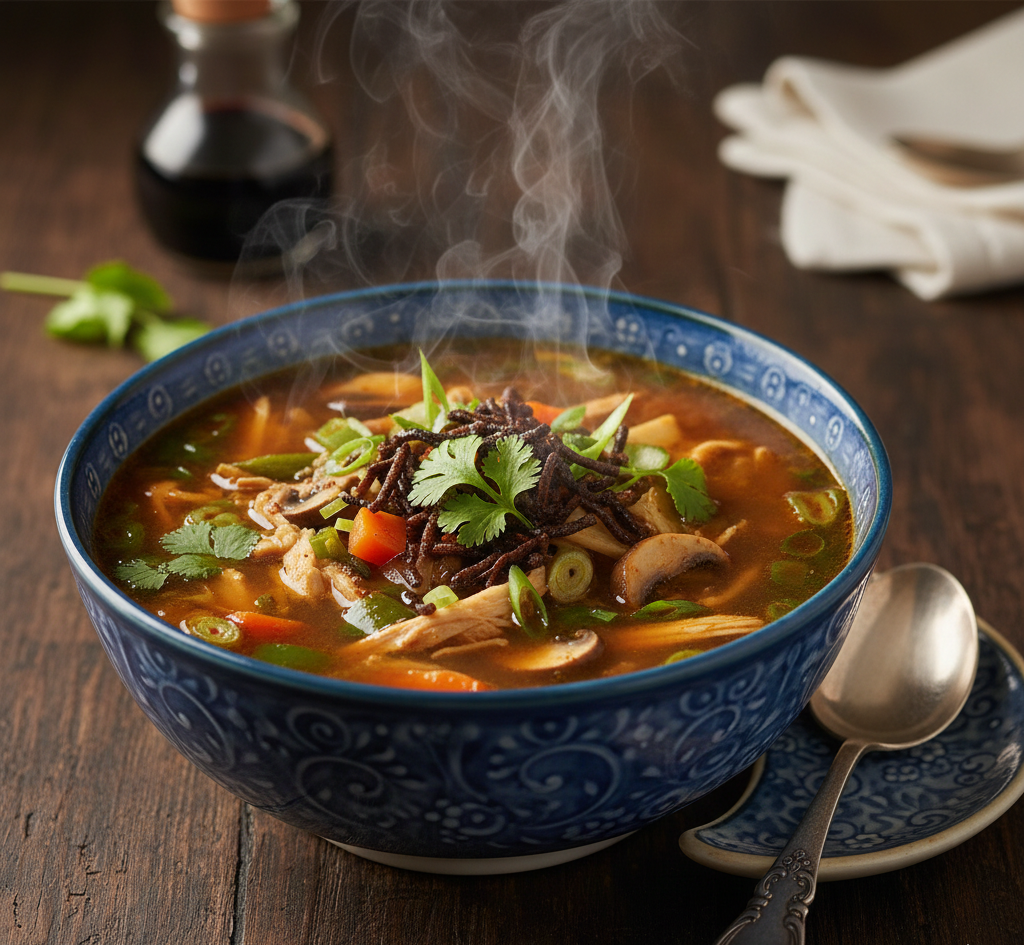
There was a time when food photography was an exercise in artificial precision. We used tweezers to position sesame seeds, motor oil to simulate syrup, and cardboard spacers to keep burgers standing tall. The goal was a “plastic perfection” that looked beautiful but felt untouchable.
In 2026, the appetite has changed.
At Amethist Media, we are seeing a massive shift in how Delhi’s top restaurants and global food brands want to be seen. The trend? The Perfectly Imperfect Plate.
Here is why “messy” is the new “masterpiece” and how we are capturing it at our NSP studio.
1. The Psychology of Relatability
In an era of AI-generated imagery, humans are craving something real. A perfectly symmetrical pizza looks like a stock photo; a pizza with a slightly charred crust, a stray basil leaf, and a visible drip of chili oil looks like dinner.
When a plate looks “perfectly imperfect,” it tells a story. It suggests a chef’s hand, a busy kitchen, and a moment about to be enjoyed. For a customer scrolling through Zomato or Instagram in Pitampura, that relatability translates directly into hunger—and orders.
2. The Art of the “Controlled Mess”
Don’t be fooled—achieving the “imperfect” look requires more skill than the old-school perfection. At our Vardhman Corporate Plaza studio, our food stylists focus on:
- The Hero Crumb: A few scattered crumbs of a sourdough loaf suggest freshness and texture.
- The Natural Drip: A smudge of sauce on the rim of a bowl isn’t a mistake; it’s a sign of a rich, saucy experience.
- Raw Ingredients: Surrounding a finished dish with its raw components—a dust of flour, a cracked peppercorn, or a halved lemon—adds “visual honesty” to the frame.
3. Lighting the Mood, Not Just the Food
To pull off the “Perfectly Imperfect” look, we’ve moved away from flat, bright studio lights. We use High-Contrast Directional Lighting (Chiaroscuro style). By allowing shadows to fall naturally across the textures of the food, we emphasize the steam, the crunch, and the moisture. This creates a “moody” editorial feel that looks like it belongs in a high-end food magazine like Bon Appétit.
4. Why This Works for Delhi’s Culinary Scene
Whether it’s a high-end bistro in Netaji Subhash Place or a heritage Mughlai kitchen in Old Delhi, the story is about heritage and soul. A perfectly sanitized photo strips the soul away. By capturing the steam rising off a hot plate of kebabs or the jagged edge of a breaking roomali roti, we capture the experience, not just the item.
5. Your Brand, Reimagined
If your menu photos still look like they were taken in 2010, you’re leaving money on the table. Today’s diners eat with their eyes—but they shop with their hearts. They want to see the texture, the heat, and the “imperfections” that make your food unique.
Ready to give your menu a modern edge?
At Amethist Media, we specialize in food cinematography and photography that doesn’t just look good—it looks delicious.
Visit our studio at Unit No 353, 3rd Floor, Vardhman Corporate Plaza, NSP, or email us at info@amethistmedia.com to book your “Perfectly Imperfect” session.